


 English (English)
 Italiano (Italian)
 Español (Spanish)
 Français (French)








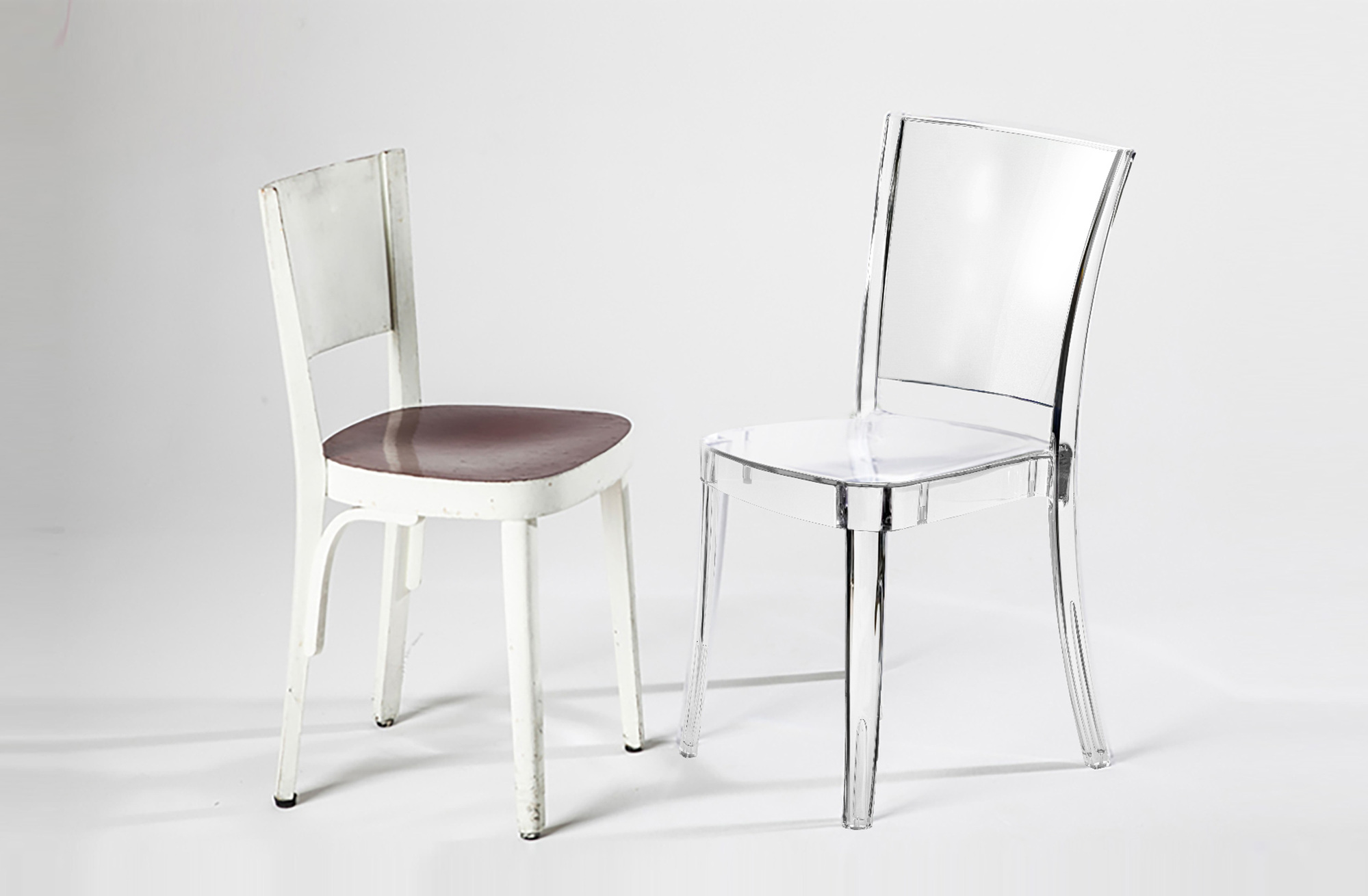
Plexiglas vs. Polycarbonate: The Key Differences.
Polycarbonate: It is a thermoplastic material derived from carbonic acid and bisphenol A, known for its transparency and strength. It is used in various industries such as construction, furniture, optics, and medicine. There are two main types: solid (very transparent and strong) and cellular (with a honeycomb structure, ideal for outdoor applications). Polycarbonate is highly impact-resistant but can yellow over time if not treated.
Synthetic glass (plexiglass): It is a transparent plastic material, more luminous and resistant than other plastics but more prone to scratches than polycarbonate. It is used in many fields, including medicine and optics. Unlike polycarbonate, plexiglass can be polished to remove scratches, but it is not particularly impact-resistant.
Tempered glass: This is glass that undergoes a heat treatment to improve its strength. It is about six times stronger than regular glass and shatters into blunt pieces if broken, increasing safety. It is used in construction and furniture.
Differences between plexiglass and polycarbonate:
- Density: Both are lighter than glass, but polycarbonate is slightly denser.
- Impact resistance: Polycarbonate is 250 times more resistant to impact than glass, while plexiglass is 17 times more resistant.
- Flexibility: Polycarbonate is more flexible and easier to work with, while plexiglass is more rigid.
- Transparency: Plexiglass is more luminous, but polycarbonate tends to yellow more quickly.
- Safety: Both are safer than glass, but polycarbonate is less flammable.
- Cleaning: Both should be cleaned with water and neutral soap, but harsh cleaners should be avoided.
Price: Polycarbonate is generally more expensive than plexiglass, but it offers a better quality-price ratio due to its greater strength and durability.