


 English (English)
 Italiano (Italian)
 Español (Spanish)
 Français (French)



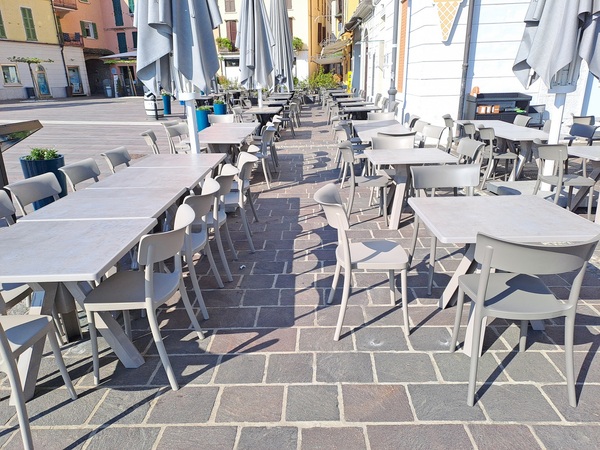




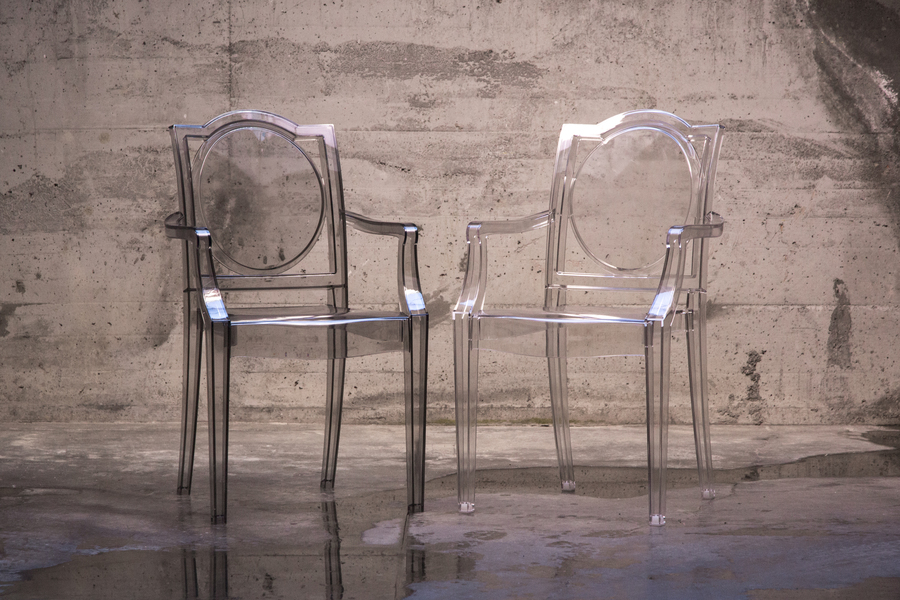


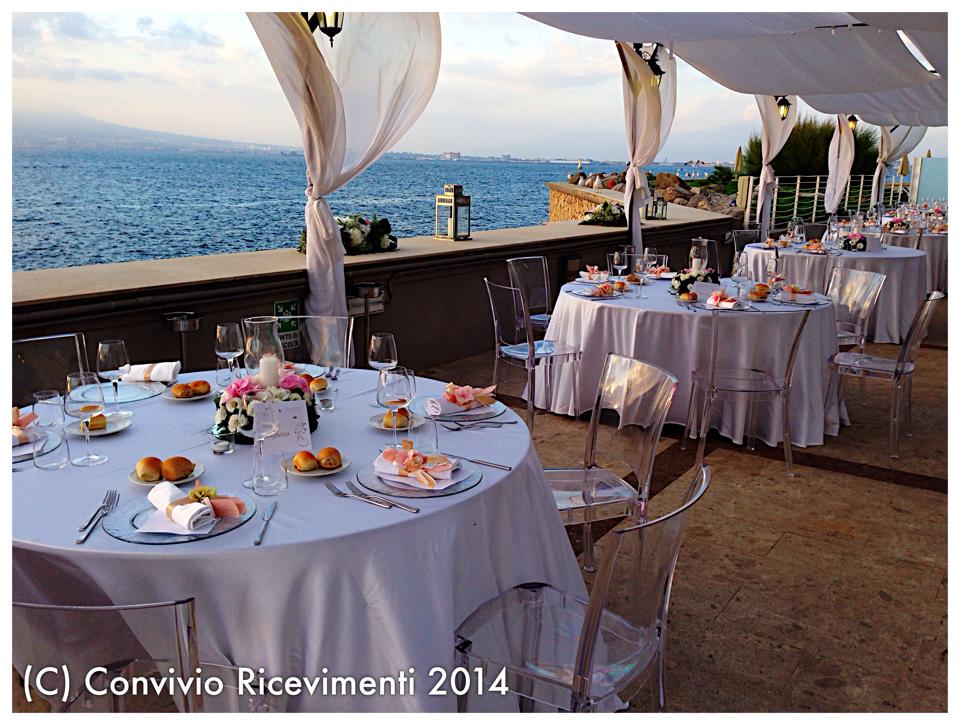


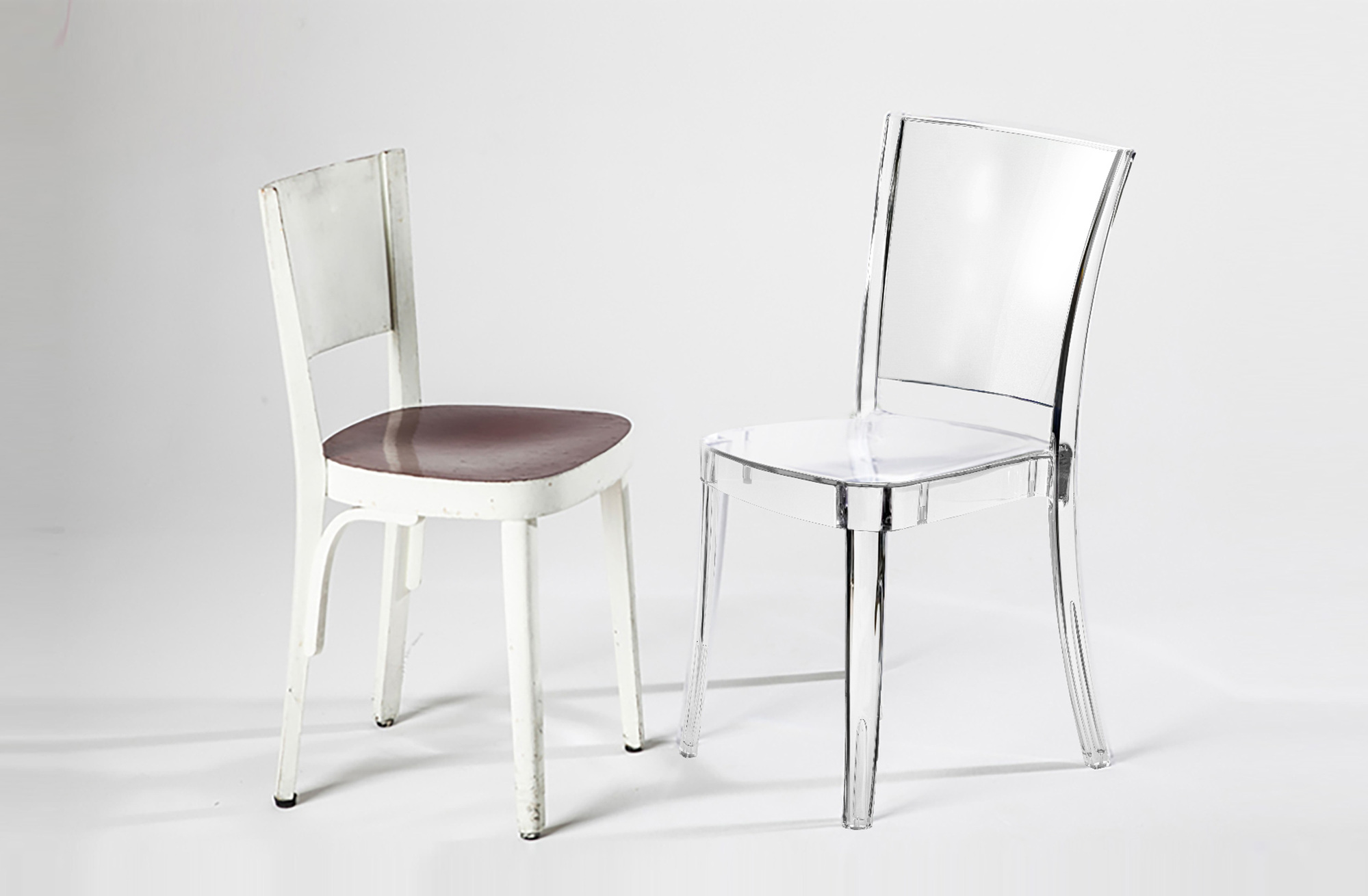

How the Polycarbonate Molding Process Works.
Polycarbonate is a highly durable and versatile plastic material used across many industries, including automotive, aerospace, and more. It is highly valued for its mechanical properties: it withstands temperature fluctuations, sunlight, and impact without losing its key features. For this reason, it is ideal for creating robust objects, including large ones, without them deforming under weight.
One of polycarbonate's most important characteristics is its ability to undergo a variety of processes, such as injection molding (to obtain specific shapes), laser cutting, turning, polishing, and even chemical welding. It is also non-toxic and boasts exceptional transparency, better than glass, making it ideal for producing transparent objects without the risk of yellowing.
In polycarbonate processing, one of the most common methods is injection molding. This process involves very high temperatures (between 170°C and 225°C), which allow the material to maintain its mechanical properties while being shaped. The material is heated and injected into molds to create objects of different sizes and shapes.
While injection molding is highly precise, there are some imperfections that can occur during production. The most common defects include air bubbles, surface deformations, burrs (residual material), and burn marks, which can be corrected through rigorous quality control. In general, polycarbonate can also be molded in bulk, in large quantities, thanks to its versatility and the techniques that enable highly accurate results.
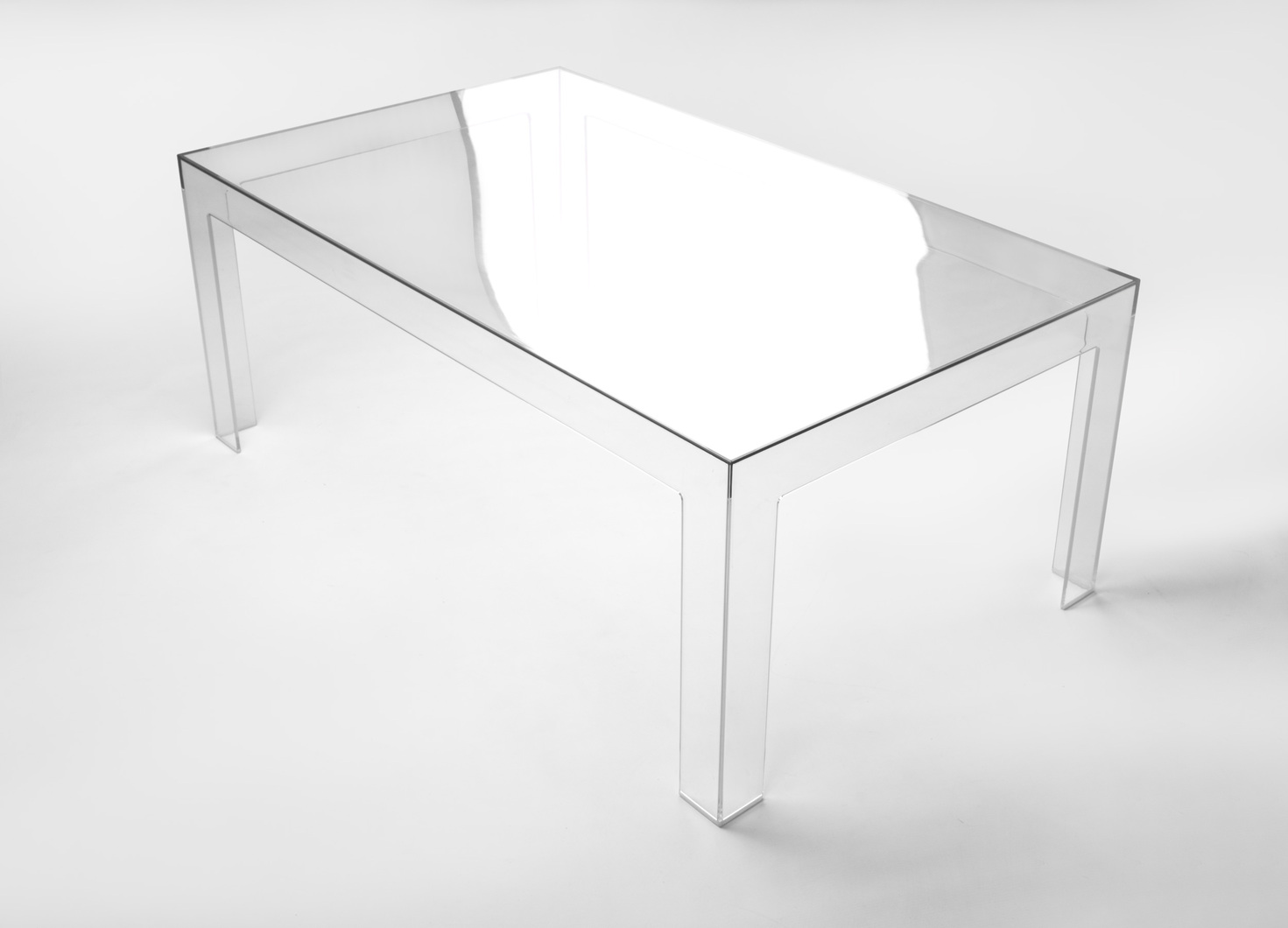
Belce Design uses polycarbonate to manufacture its products precisely because of its qualities, such as durability, transparency, and ease of processing. For example, transparent polycarbonate is used to create items that need to withstand outdoor conditions and last over time. The final result is a highly durable, precise, and transparent product that maintains its high quality even after prolonged exposure to sunlight.
In summary, polycarbonate is an ideal material for creating durable, resistant, aesthetically pleasing, and easy-to-process products, perfect for a variety of applications, including both transparent and colored ones.